Most AI conversations today are about content creation… writing, coding, or generating images.
But the many one of the most trans-formative AI use case isn’t about making more content. It’s about unlocking the content we already have.
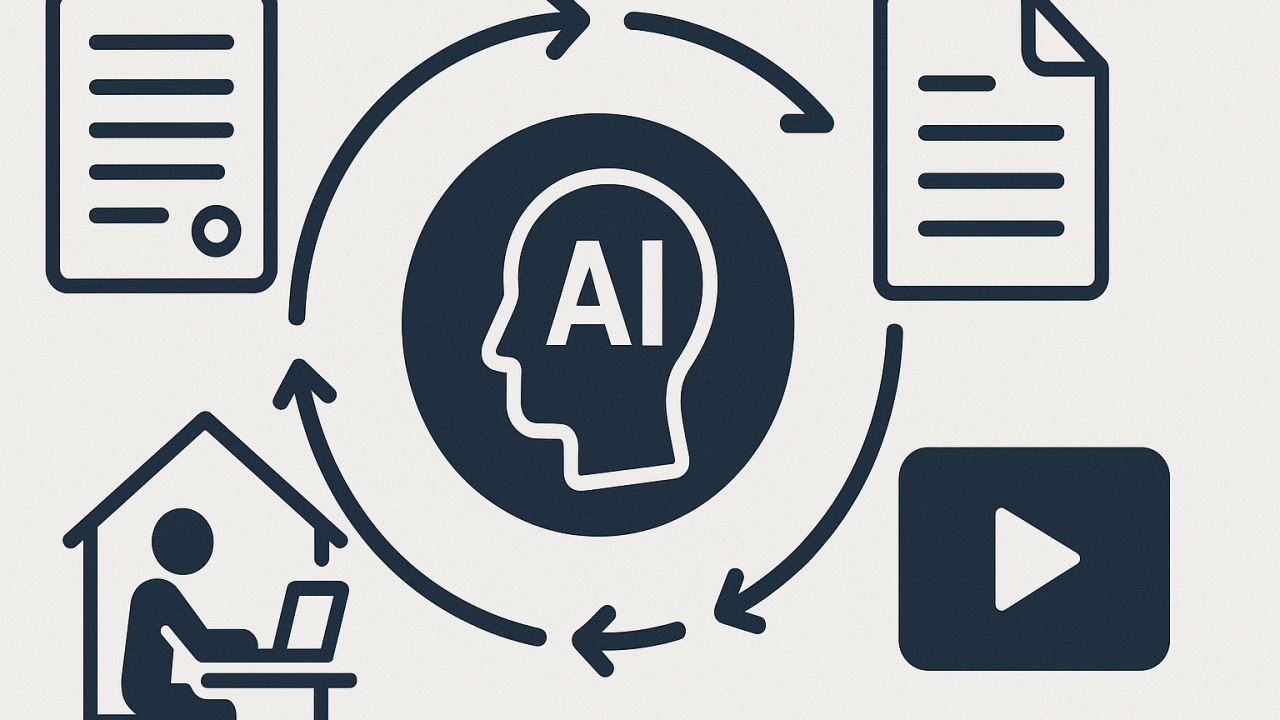
That use case is AI-driven knowledge management or what I call agentic knowledge management that doesn’t just find information… it connects dots, learns context, and thinks alongside you.
From Overload to Insight
Recently at YMCA Canada, we had:
- 37 independent Associations
- Thousands of staff
- Countless reports, files, and conversations
The challenge wasn’t data scarcity — it was data buried everywhere. We had insights hidden in SharePoint or One-Drive folders, Teams chats, and emails. The knowledge existed but no single person could see the whole picture.
That’s exactly the problem agentic knowledge management solves.
Why Microsoft 365 + Copilot Are Ahead
I’m convinced Microsoft is best positioned to lead this space.
Here’s why:
- It lives where work happens — Outlook, Teams, SharePoint, OneDrive
- It already understands organizational context — people, projects, user permissions
- It’s trusted — built for security, compliance, and data governance
- It’s connected by design — the Microsoft Graph links every conversation and document
Copilot doesn’t sit beside your work, it’s deep inside it. That’s what makes it powerful.
From Copilot to “Co-Thinker”
We’re entering a new era: not AI as an assistant, but AI as a thinking partner.
Picture this:
- You ask a question — it draws insights from years of documents and meetings.
- It highlights patterns across departments and projects.
- It helps you make better decisions, faster.
That’s collective intelligence, finally visible.
What Leaders Need to Do Now
To make AI knowledge management real, leaders should focus on:
- Connecting data – unify files, chat, and systems under clear permissions.
- Building trust – govern how AI cites, stores, and explains its answers.
- Training people – teach teams to collaborate with AI, not just use it.
The payoff? Faster learning, smarter decisions, and a culture where knowledge moves freely.
My Takeaway
Across my work and research , one truth keeps surfacing:
The next wave of productivity isn’t about working faster. It’s about organizations that can think together.
AI won’t just automate tasks, it will amplify collective intelligence. And Microsoft 365 + Copilot are already showing us how.